ArXiv AI: Weekly Top Picks

Coverage: 2026-03-22 → 2026-03-29
This week in AI papers
We keep an eye on new AI papers on arXiv, pick one or two that really matter each day, and share the key ideas — no hype, just clear explanations.
Unpacked by our trio: Alex the plain-language host, Marc the hands-on power user, and Jamie the senior ML engineer.
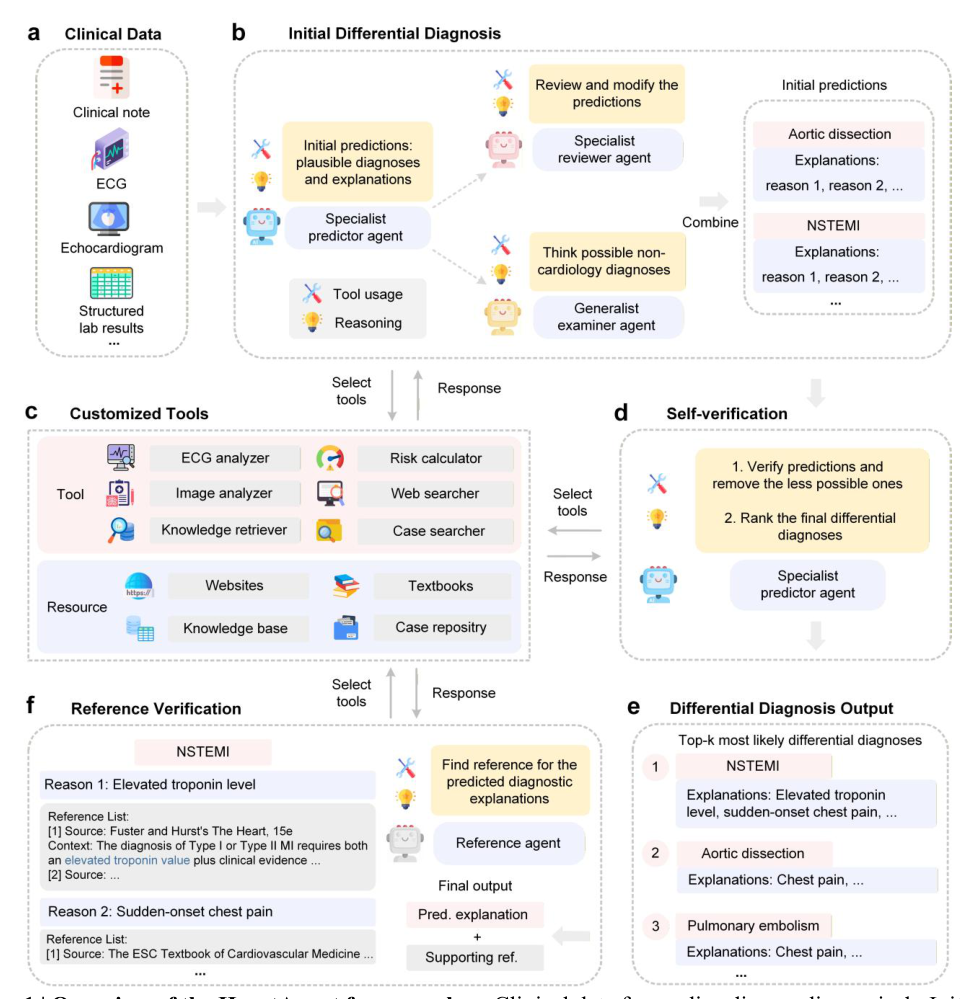
LLM Daily – HeartAgent: An Autonomous Agent System for Explainable Differential Diagnosis in
2026-03-29 · 10 min · 13.0 MB
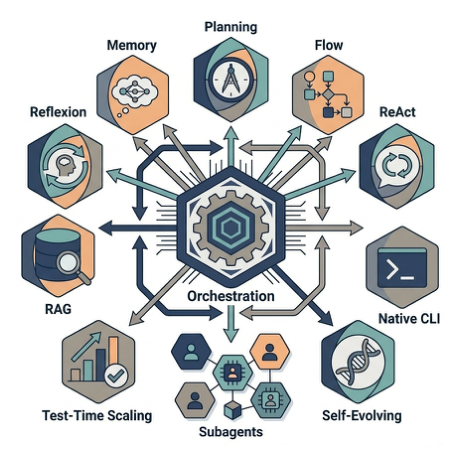
LLM Daily – Natural-Language Agent Harnesses
2026-03-29 · 10 min · 11.8 MB
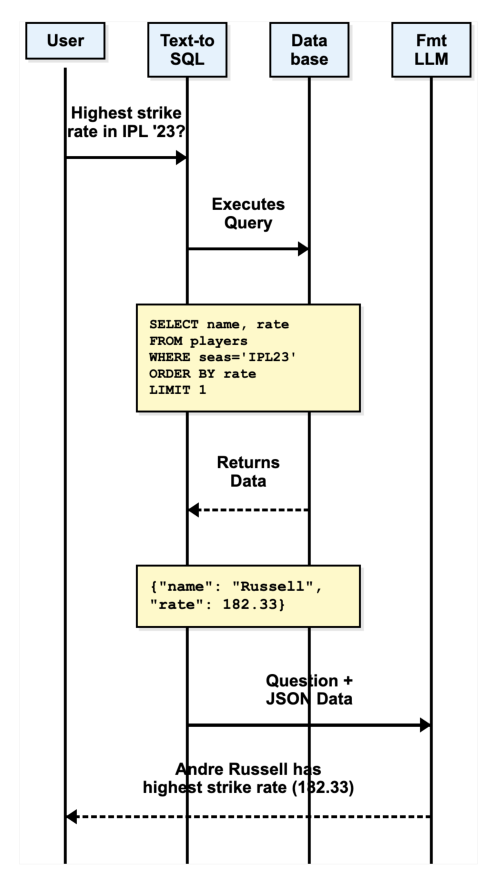
LLM Daily – Schema on the Inside: A Two-Phase Fine-Tuning Method for High-Efficiency Text-to
2026-03-28 · 10 min · 13.5 MB
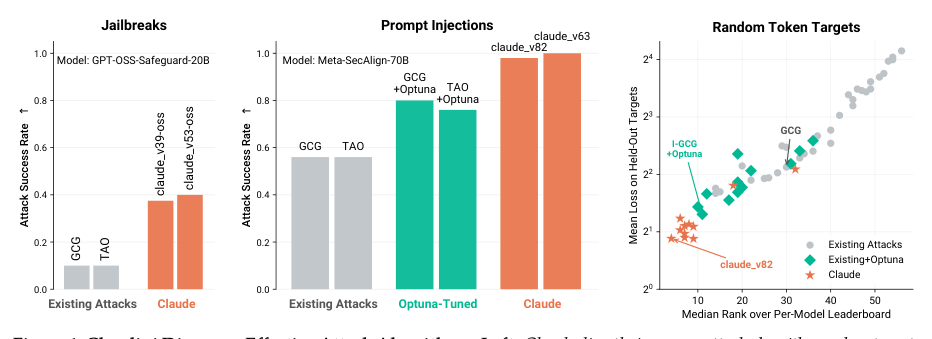
LLM Daily – Claudini: Autoresearch Discovers State-of-the-Art Adversarial Attack Algorithms
2026-03-28 · 10 min · 13.2 MB
LLM Daily – Empirical Comparison of Agent Communication Protocols for Task Orchestration
2026-03-27 · 10 min · 15.3 MB
LLM Daily – ProGRank: Probe-Gradient Reranking to Defend Dense-Retriever RAG from Corpus Poi
2026-03-27 · 10 min · 13.9 MB
LLM Daily – PERMA: Benchmarking Personalized Memory Agents via Event-Driven Preference and R
2026-03-26 · 10 min · 13.4 MB
LLM Daily – Designing Agentic AI-Based Screening for Portfolio Investment
2026-03-26 · 10 min · 11.5 MB
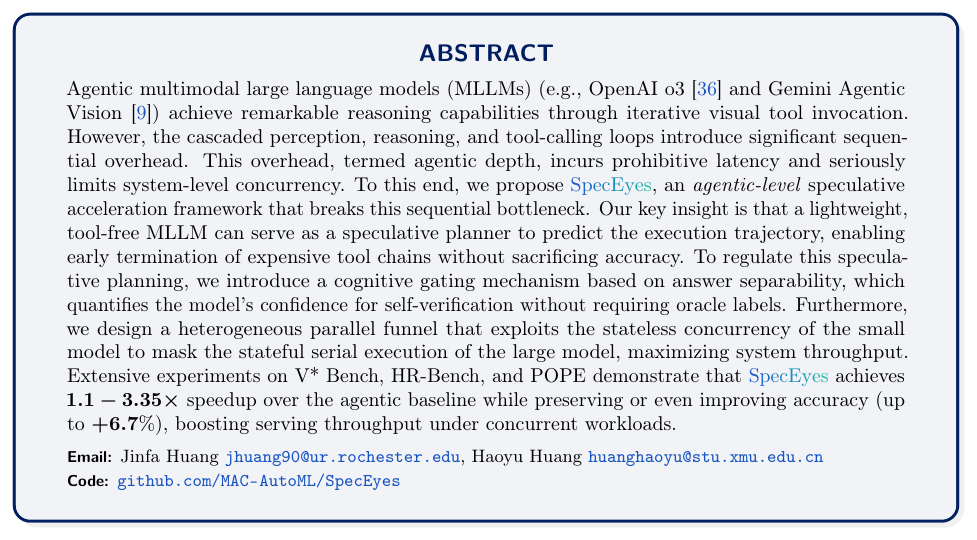
LLM Daily – SpecEyes: Accelerating Agentic Multimodal LLMs via Speculative Perception and Pl
2026-03-25 · 10 min · 12.9 MB
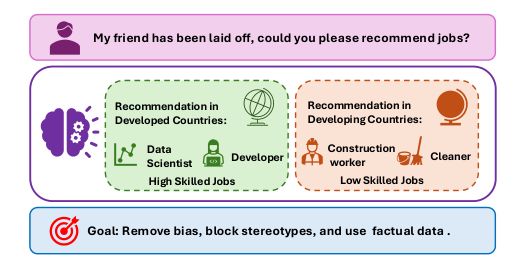
LLM Daily – CatRAG: Functor-Guided Structural Debiasing with Retrieval Augmentation for Fair
2026-03-25 · 10 min · 11.4 MB
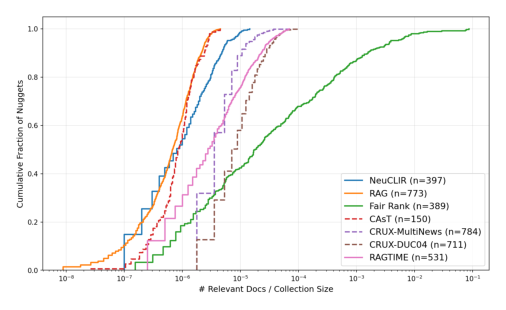
LLM Daily – CoverageBench: Evaluating Information Coverage across Tasks and Domains
2026-03-24 · 10 min · 12.0 MB
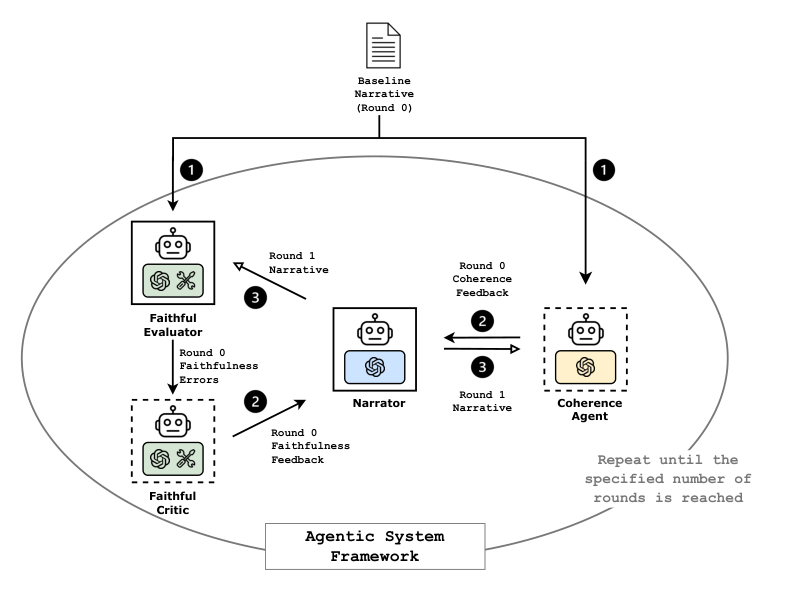
LLM Daily – An Agentic Approach to Generating XAI-Narratives
2026-03-23 · 10 min · 13.0 MB
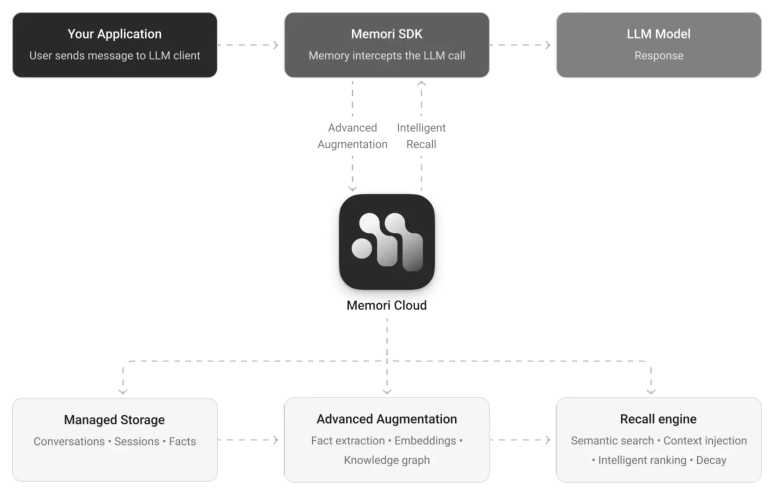
LLM Daily – Memori: A Persistent Memory Layer for Efficient, Context-Aware LLM Agents
2026-03-23 · 10 min · 11.3 MB
LLM Daily – Adaptive Collaboration with Humans: Metacognitive Policy Optimization for Multi-
2026-03-22 · 10 min · 11.6 MB
LLM Daily – XAI for Coding Agent Failures: Transforming Raw Execution Traces into Actionable
2026-03-22 · 10 min · 12.4 MB