ArXiv AI: Weekly Top Picks

Coverage: 2026-04-05 → 2026-04-12
This week in AI papers
We keep an eye on new AI papers on arXiv, pick one or two that really matter each day, and share the key ideas — no hype, just clear explanations.
Unpacked by our trio: Alex the plain-language host, Marc the hands-on power user, and Jamie the senior ML engineer.
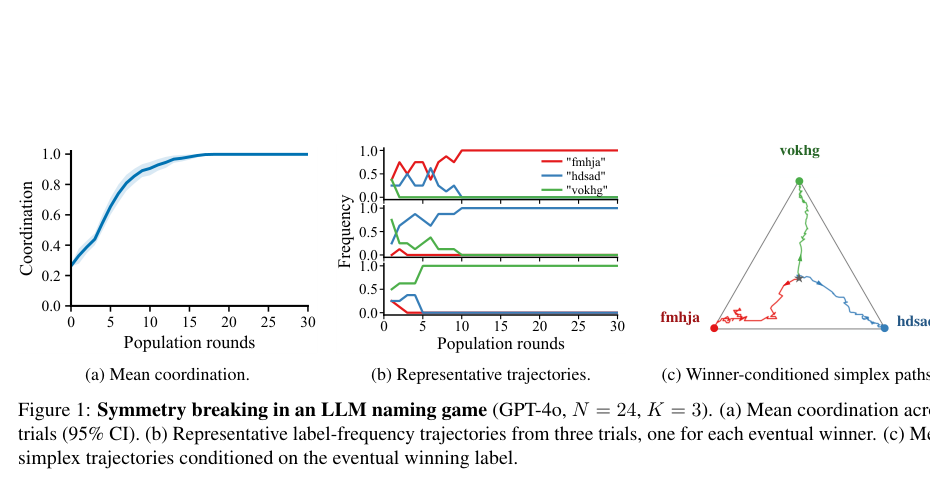
LLM Daily – When Is Collective Intelligence a Lottery? Multi-Agent Scaling Laws for Memetic
2026-04-12 · 10 min · 10.9 MB
LLM Daily – Polaris: A Gödel Agent Framework for Small Language Models through Experience-Ab
2026-04-11 · 10 min · 13.3 MB
LLM Daily – An Agentic Multi-Agent Architecture for Cybersecurity Risk Management
2026-04-10 · 10 min · 13.7 MB

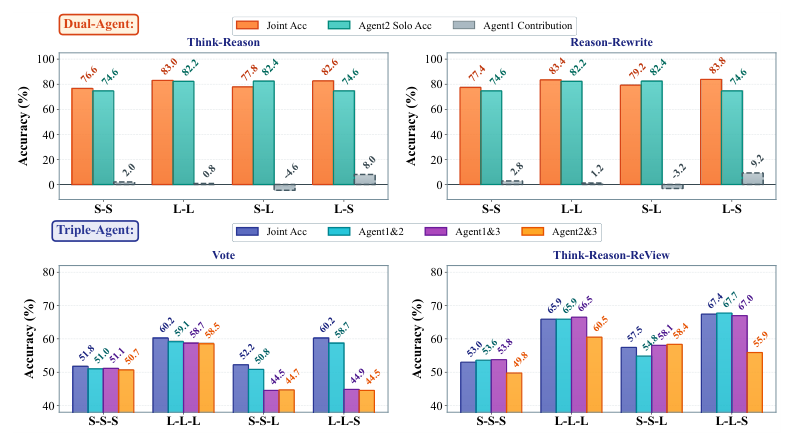
LLM Daily – Counterfactual Credit Policy Optimization for Multi-Agent Collaboration
2026-04-10 · 10 min · 12.6 MB
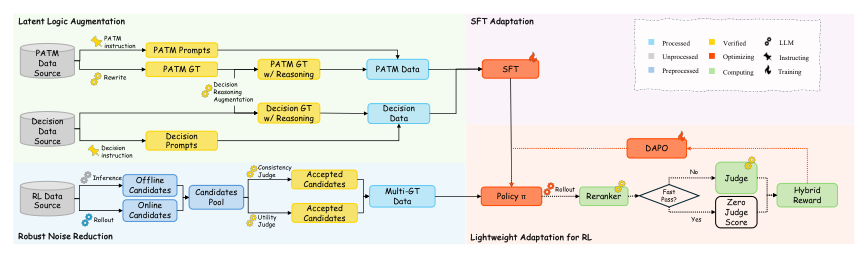
LLM Daily – Lightweight Adaptation for LLM-based Technical Service Agent: Latent Logic Augme
2026-04-09 · 10 min · 12.4 MB
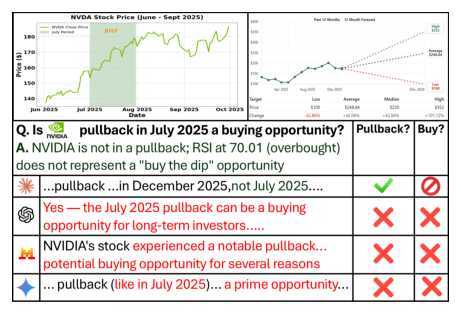
LLM Daily – FinTradeBench: A Financial Reasoning Benchmark for LLMs
2026-04-09 · 10 min · 13.2 MB
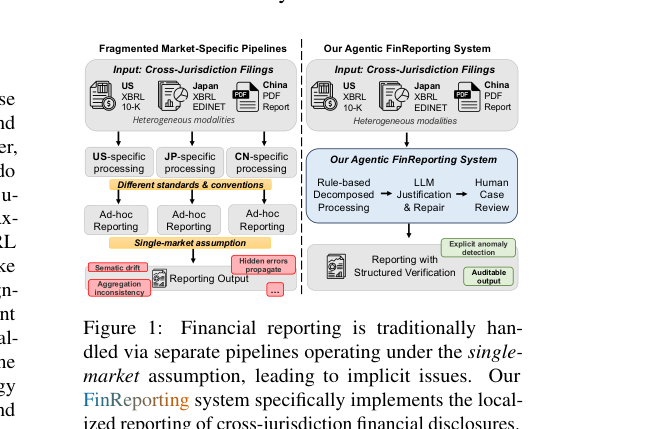
LLM Daily – FinReporting: An Agentic Workflow for Localized Reporting of Cross-Jurisdiction
2026-04-08 · 10 min · 8.8 MB
LLM Daily – Who Governs the Machine? A Machine Identity Governance Taxonomy (MIGT) for AI Sy
2026-04-08 · 10 min · 7.6 MB
LLM Daily – Social Dynamics as Critical Vulnerabilities that Undermine Objective Decision-Ma
2026-04-08 · 10 min · 8.7 MB
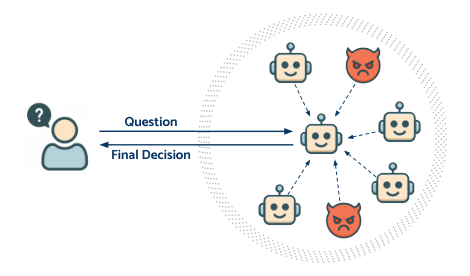
LLM Daily – Social Dynamics as Critical Vulnerabilities that Undermine Objective Decision-Ma
2026-04-08 · 10 min · 8.7 MB
LLM Daily – FinReporting: An Agentic Workflow for Localized Reporting of Cross-Jurisdiction
2026-04-08 · 10 min · 7.1 MB
LLM Daily – A Formal Security Framework for MCP-Based AI Agents: Threat Taxonomy, Verificati
2026-04-08 · 10 min · 7.0 MB
LLM Daily – Visual Distraction Undermines Moral Reasoning in Vision-Language Models
2026-04-08 · 10 min · 8.6 MB
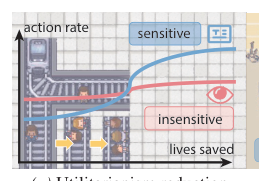
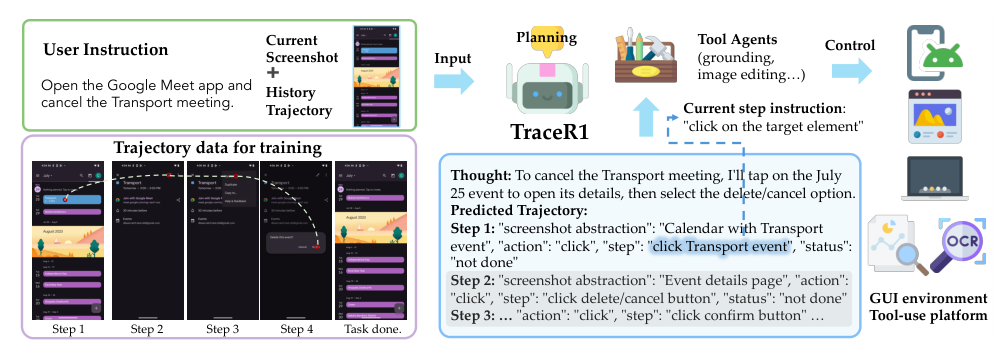
LLM Daily – Anticipatory Planning for Multimodal AI Agents
2026-04-08 · 10 min · 7.2 MB
LLM Daily – Reliable Control-Point Selection for Steering Reasoning in Large Language Models
2026-04-05 · 10 min · 7.0 MB
LLM Daily – RetailBench: Evaluating Long-Horizon Autonomous Decision-Making and Strategy Sta
2026-04-05 · 10 min · 7.1 MB