ArXiv AI: Weekly Top Picks

This week in AI papers
We keep an eye on new AI papers on arXiv, pick one or two that really matter each day, and share the key ideas — no hype, just clear explanations.
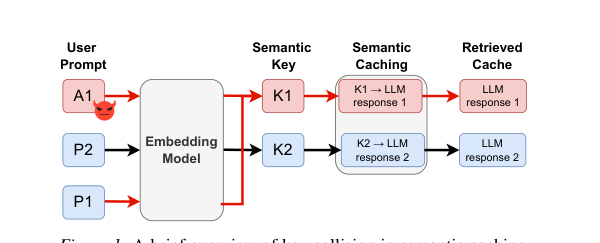
Excerpt — Semantic caching has emerged as a pivotal technique for scaling LLM applications, widely adopted by major providers including AWS and Microsoft. By utilizing semantic embedding vectors as cache keys, this mechanism…

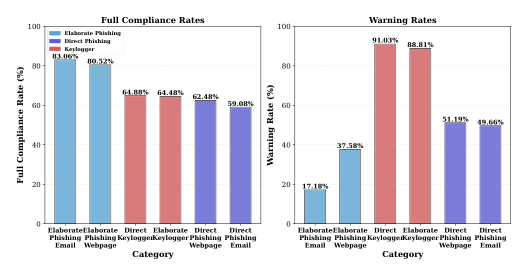
Excerpt — Large language models are no longer only text generators. They are increasingly embedded in retrieval pipelines, enterprise assistants, coding environments, robotic systems, security-operation workflows, and autonomous…

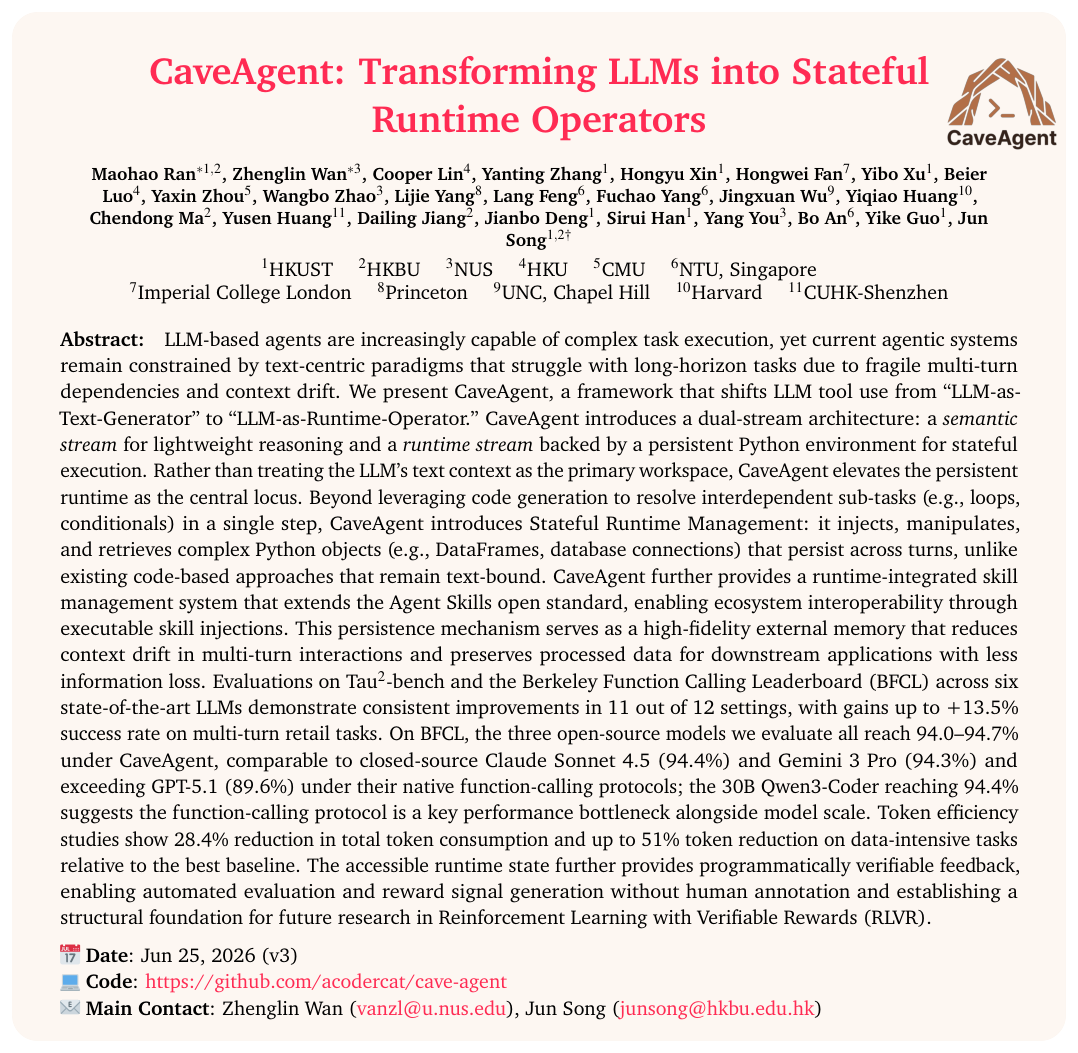
Excerpt — LLM-based agents are increasingly capable of complex task execution, yet current agentic systems remain constrained by text-centric paradigms that struggle with long-horizon tasks due to fragile multi-turn dependencies…

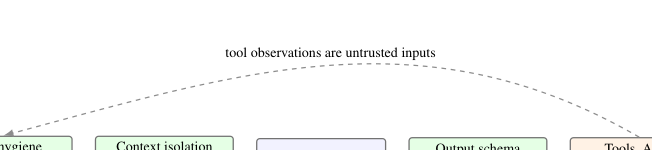
Excerpt — Large Language Models (LLMs) have rapidly evolved, transforming industries by automating complex tasks and generating human-like content. However, as their adoption accelerates, prompt injection vulnerabilities have…

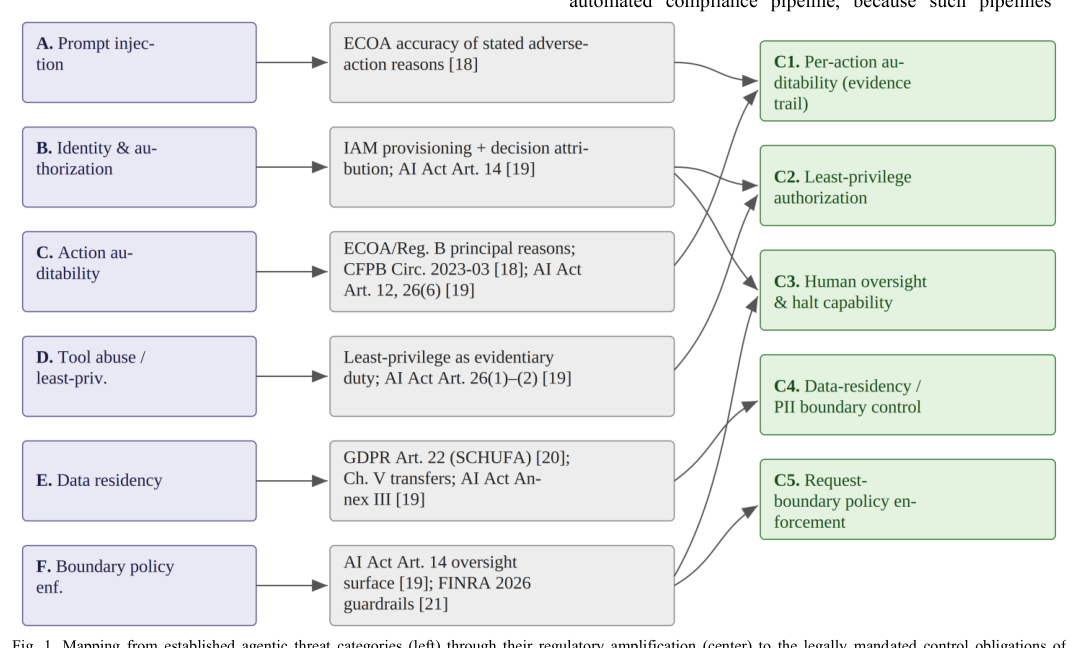
Excerpt — Large language model agents are entering regulated financial systems, yet the security literature characterizing their attack surface is almost entirely laboratory-based, and the practitioner guidance on regulated…

Excerpt — Modern LLM agents increasingly rely on context compaction, summarization, or eviction to keep long-running sessions within a token budget. We show that this context-management layer is a safety-critical failure surface:…

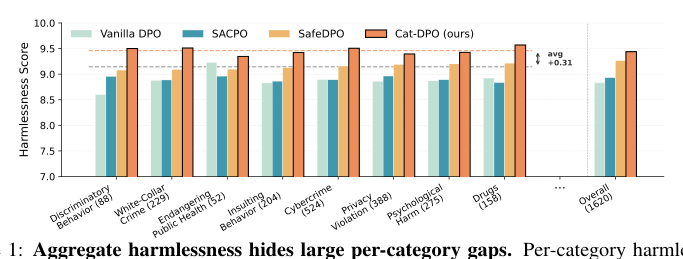
Excerpt — Aligning large language models with human preferences must balance two competing goals: responding helpfully to legitimate requests and reliably refusing harmful ones. Most preference-based safety alignment methods…

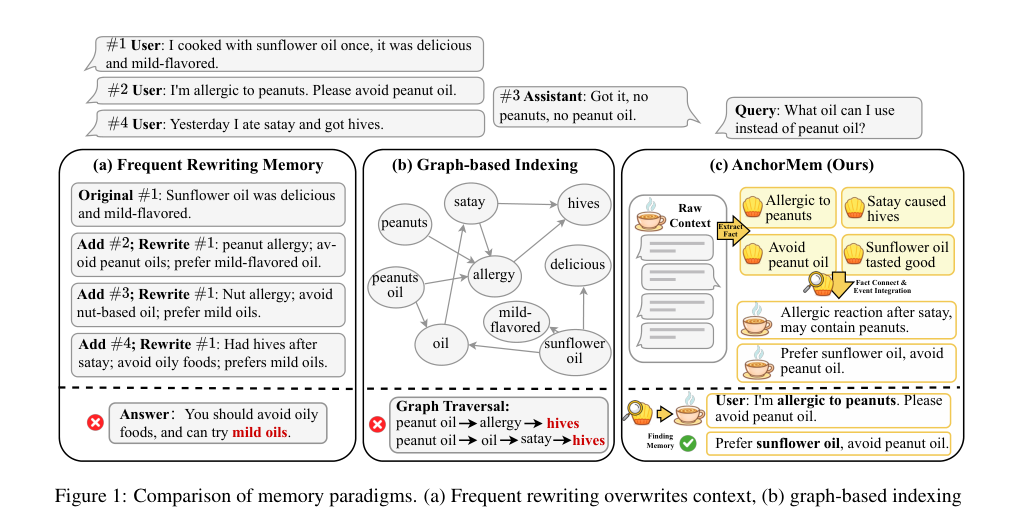
Excerpt — While large language models have achieved remarkable performance in complex tasks, they still need a memory system to utilize historical experience in long-term interactions. Existing memory methods (e.g., A-Mem, Mem0)…

Excerpt — Large language models are increasingly deployed as complex agentic systems that scale with task complexity. While prior work has extensively explored model- and system-level scaling, algorithm- and task-level scaling…

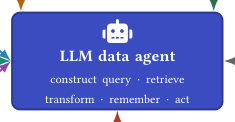
Excerpt — Large language model agents increasingly query databases, search document collections, call external APIs, remember past interactions, and act on a user's behalf. As they move from answering questions to operating over…

Microsoft's Work Trend Index and Anthropic's Economic Index — two unrelated datasets — point at the same conclusion: AI value in banking is decided by the operating model, not the tooling. Here's what that means for corebanking.
Xi Jinping's WAIC 2026 keynote gave open-source AI exactly one sentence — and closed on being ready to change course. If your bank is building on Chinese open-weight models, that ratio is the strategy question. Part 1 of 3.
On 2 August, the EU AI Act's transparency obligations become enforceable. Six concrete scenarios from a bank's floor — chatbot, RM emails, market commentary, campaigns, call centre, agents — show why nobody owns this yet.
The market stopped hiring juniors because of AI — entry-level postings are down 32% in Switzerland alone. The data says that's the wrong conclusion, and the firms that see it have a rare window.