We keep an eye on new AI papers on arXiv, pick one or two that really matter each day, and share the key ideas — no hype, just clear explanations.
2025-12-16 · 10 min · 13.1 MB
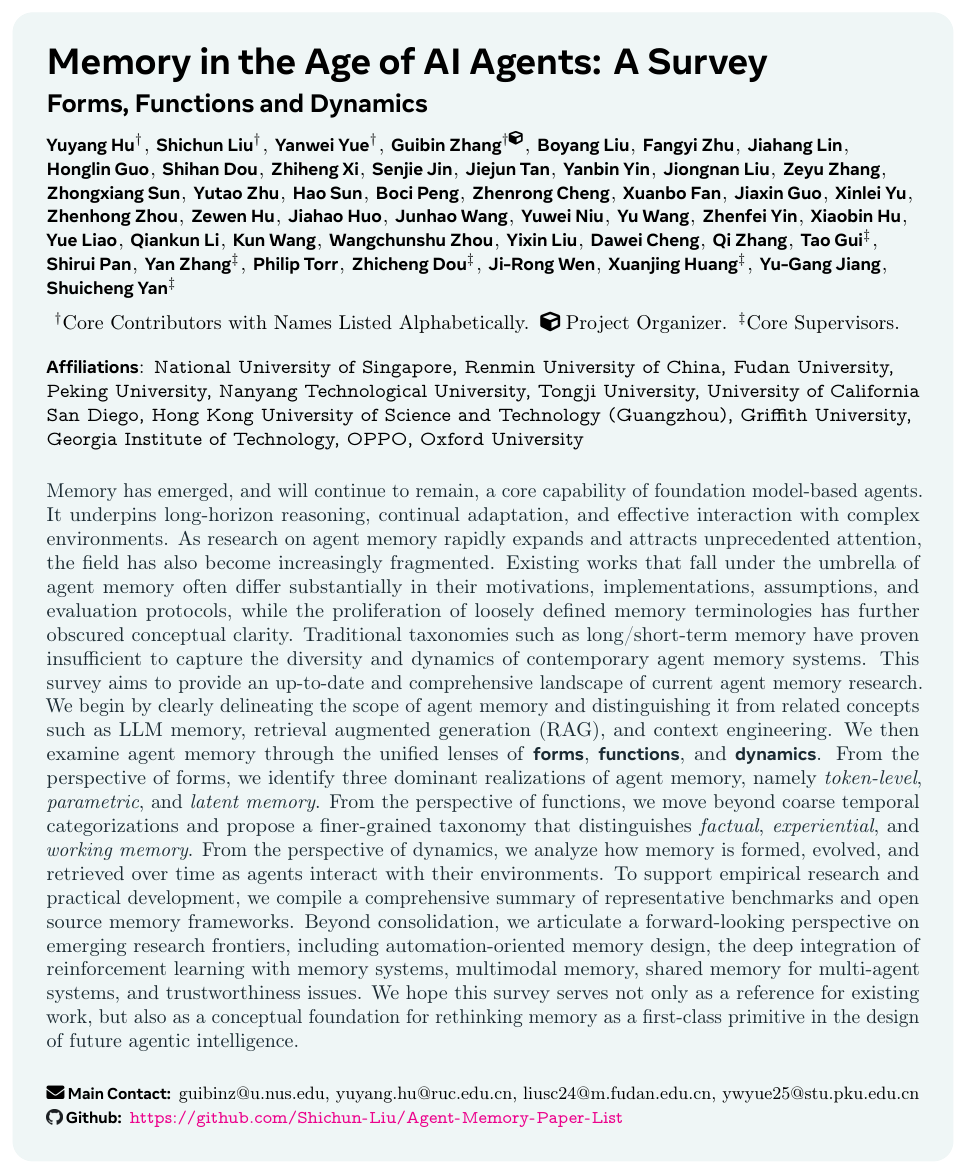
Excerpt — Memory has emerged, and will continue to remain, a core capability of foundation model-based agents. As research on agent memory rapidly expands and attracts unprecedented attention, the field has also become…
2025-12-16 · 10 min · 13.8 MB
Excerpt — Large Language Models (LLMs) are increasingly deployed in business-critical domains such as finance, education, healthcare, and customer support, where users expect consistent and reliable recommendations. Yet LLMs…
2025-12-16 · 10 min · 14.5 MB
Excerpt — As generative agents become increasingly sophisticated and deployed in long-term interactive scenarios, their memory management capabilities emerge as a critical bottleneck for both performance and privacy. Current…
2025-12-16 · 10 min · 12.9 MB
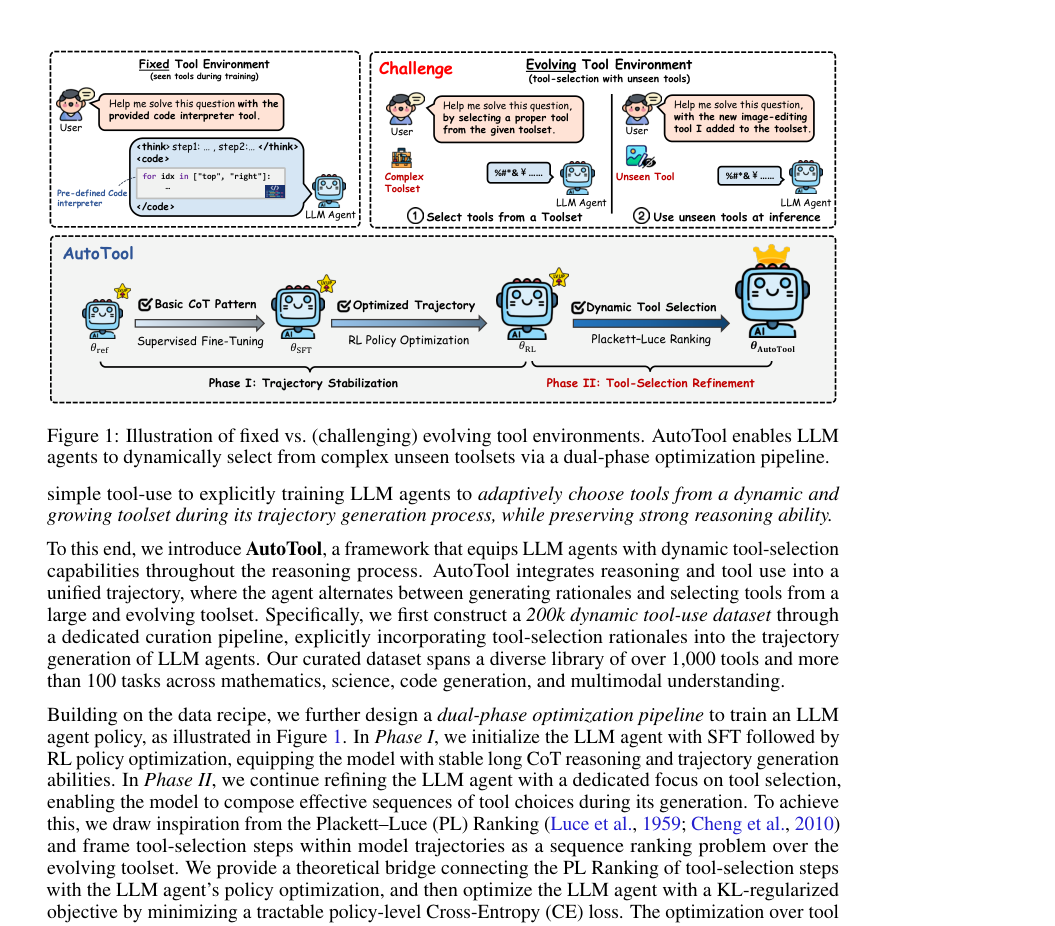
Excerpt — Agentic reinforcement learning has advanced large language models (LLMs) to reason through long chain-of-thought trajectories while interleaving external tool use. Existing approaches assume a fixed inventory of tools,…
2025-12-14 · 10 min · 15.8 MB
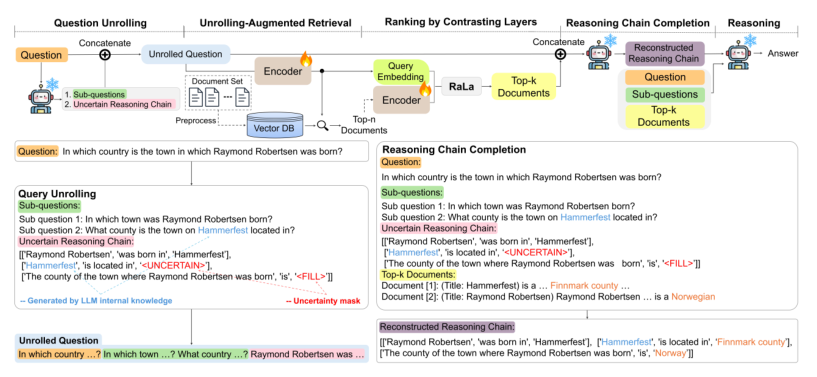
Excerpt — Since large language models (LLMs) have a tendency to generate factually inaccurate output, retrieval-augmented generation (RAG) has gained significant attention as a key means to mitigate this downside of harnessing…
2025-12-13 · 10 min · 12.7 MB
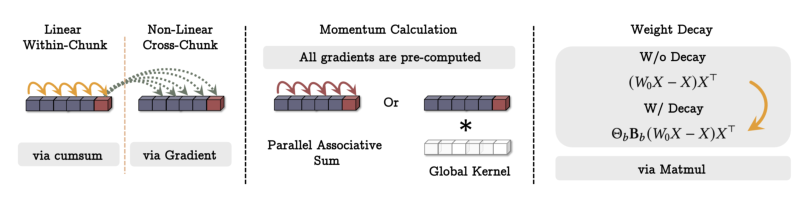
Excerpt — Over more than a decade there has been an extensive research effort on how to effectively utilize recurrent models and attention. While recurrent models aim to compress the data into a fixed-size memory (called hidden…
2025-12-13 · 10 min · 14.5 MB
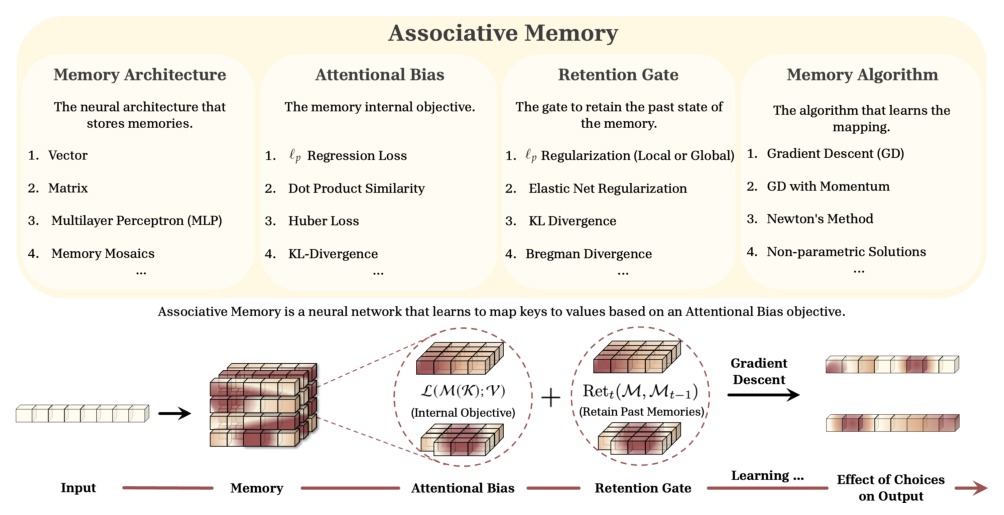
Excerpt — Designing efficient and effective architectural backbones has been in the core of research efforts to enhance the capability of foundation models. Inspired by the human cognitive phenomenon of attentional bias-the…
2025-12-13 · 10 min · 14.0 MB
Excerpt — Multistep workflows that chain large language model (LLM) calls suffer from context pollution: as information accumulates across steps, models hallucinate, confuse intermediate outputs, and lose track of task…
2025-12-13 · 10 min · 12.7 MB
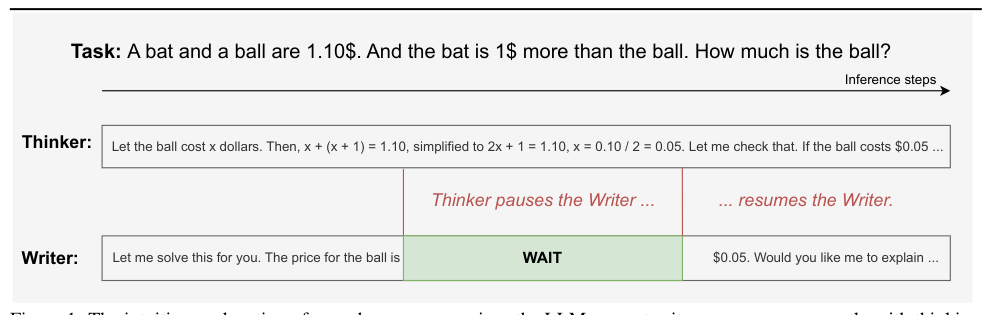
Excerpt — Many state-of-the-art LLMs are trained to think before giving their answer. Reasoning can greatly improve language model capabilities and safety, but it also makes them less interactive: given a new input, a model must…
2025-12-12 · 10 min · 13.4 MB
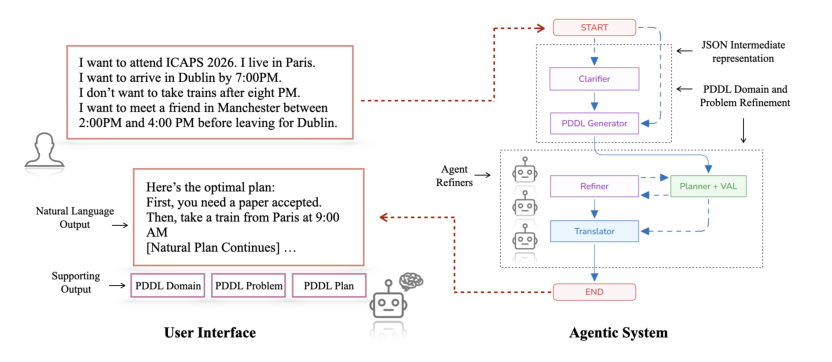
Excerpt — We present an end-to-end framework for planning supported by verifiers. An orchestrator receives a human specification written in natural language and converts it into a PDDL (Planning Domain Definition Language) model,…
2025-12-12 · 10 min · 13.8 MB
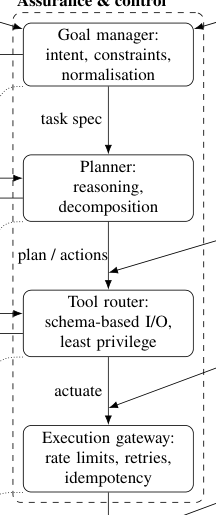
Excerpt — This chapter argues that the reliability of agentic and generative AI is chiefly an architectural property. We define agentic systems as goal-directed, tool-using decision makers operating in closed loops, and show how…
2025-12-10 · 10 min · 15.7 MB
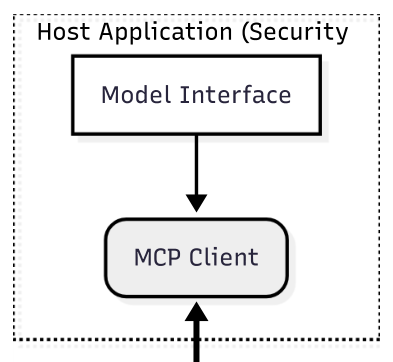
Excerpt — The Model Context Protocol (MCP) has emerged as the de facto standard for connecting Large Language Models (LLMs) to external data and tools, effectively functioning as the "USB-C for Agentic AI." While this decoupling…
2025-12-10 · 10 min · 12.1 MB
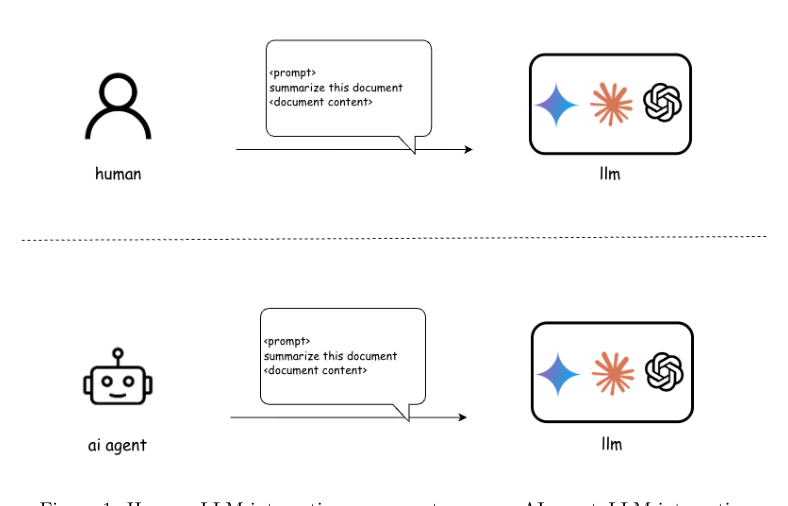
Excerpt — Agentic AI marks a major shift in how autonomous systems reason, plan, and execute multi-step tasks. Unlike traditional single model prompting, agentic workflows integrate multiple specialized agents with different…
2025-12-09 · 10 min · 14.6 MB
Excerpt — LLM-based agents are rapidly being plugged into expert decision-support, yet in messy, high-stakes settings they rarely make the team smarter: human-AI teams often underperform the best individual, experts oscillate…
2025-12-09 · 10 min · 13.9 MB
Excerpt — Agentic LLM frameworks promise autonomous behavior via task decomposition, tool use, and iterative planning, but most deployed systems remain brittle. They lack runtime introspection, cannot diagnose their own failure…