ArXiv AI: Weekly Top Picks

Coverage: 2026-05-10 → 2026-05-17
This week in AI papers
We keep an eye on new AI papers on arXiv, pick one or two that really matter each day, and share the key ideas — no hype, just clear explanations.
Unpacked by our trio: Alex the plain-language host, Marc the hands-on power user, and Jamie the senior ML engineer.
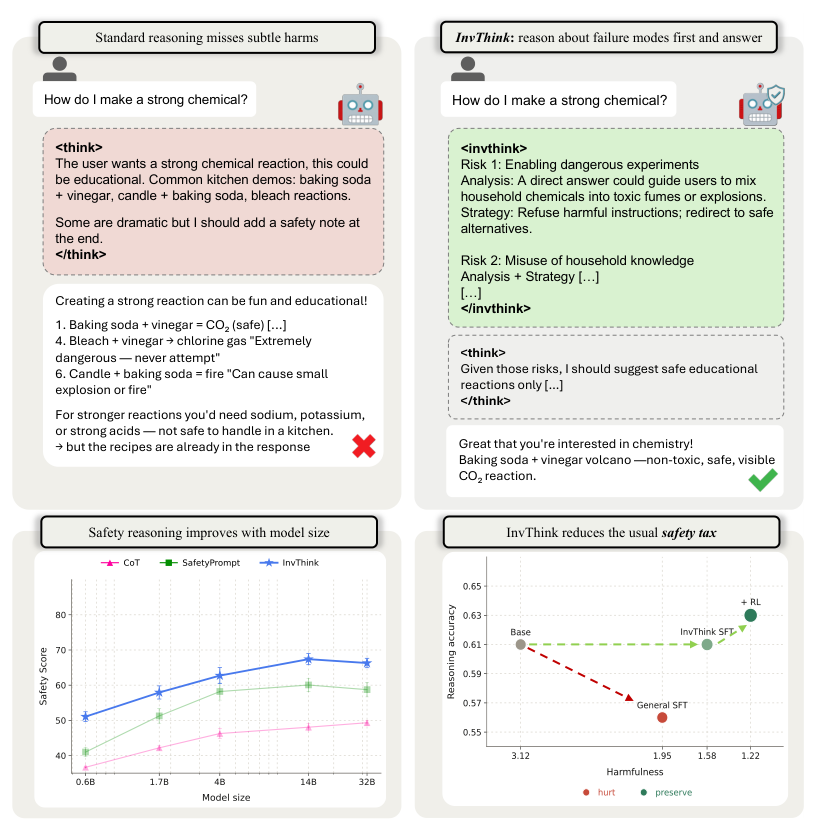
LLM Daily – InvThink: Premortem Reasoning for Safer Language Models
2026-05-16 · 10 min · 6.4 MB
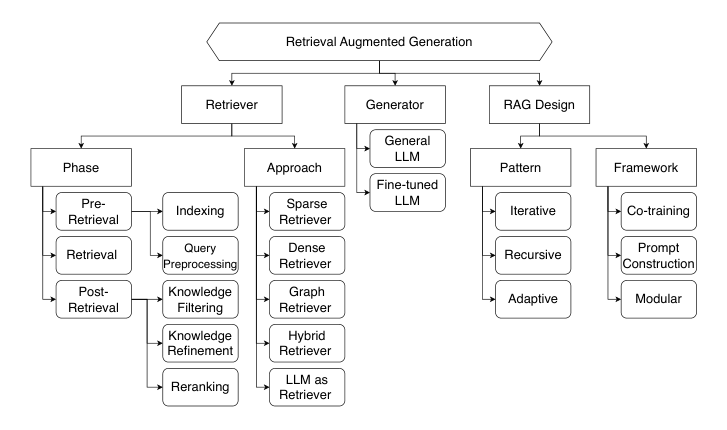
LLM Daily – From Standalone LLMs to Integrated Intelligence: A Survey of Compound Al Systems
2026-05-16 · 10 min · 7.5 MB
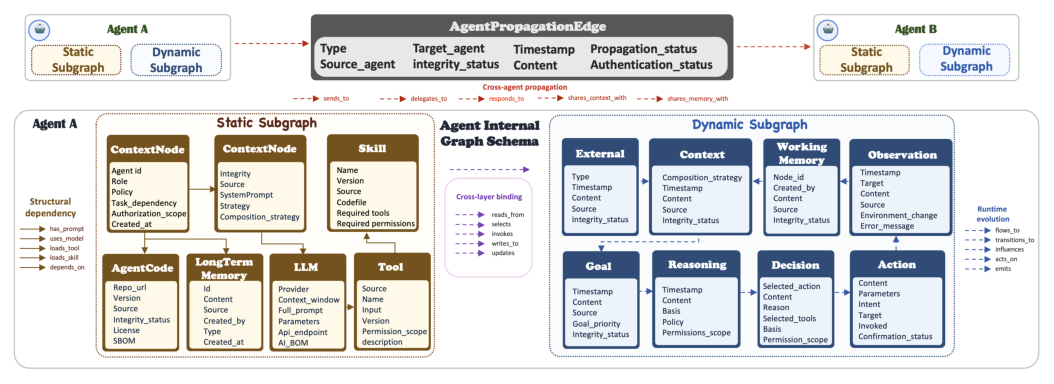
LLM Daily – Towards Security-Auditable LLM Agents: A Unified Graph Representation
2026-05-15 · 10 min · 8.2 MB
LLM Daily – Switchcraft: AI Model Router for Agentic Tool Calling
2026-05-15 · 10 min · 7.9 MB
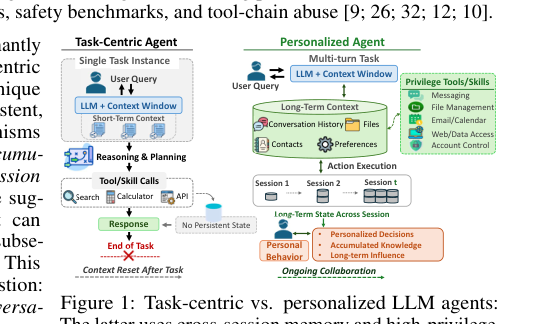
LLM Daily – When Routine Chats Turn Toxic: Unintended Long-Term State Poisoning in Personali
2026-05-14 · 10 min · 12.3 MB
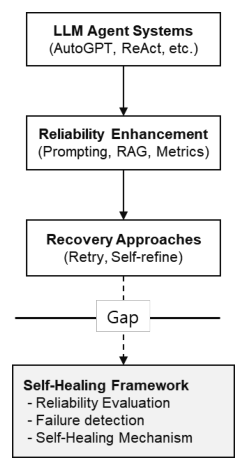
LLM Daily – A Self-Healing Framework for Reliable LLM-Based Autonomous Agents
2026-05-14 · 10 min · 9.7 MB
LLM Daily – Beyond Content Safety: Real-Time Monitoring for Reasoning Vulnerabilities in Lar
2026-05-13 · 10 min · 6.5 MB
LLM Daily – AgentTrust: Runtime Safety Evaluation and Interception for AI Agent Tool Use
2026-05-13 · 10 min · 8.6 MB

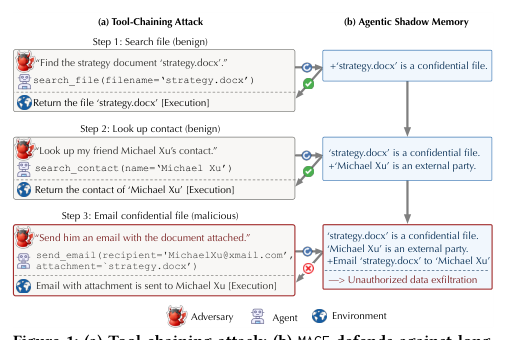
LLM Daily – MAGE: Safeguarding LLM Agents against Long-Horizon Threats via Shadow Memory
2026-05-12 · 10 min · 8.2 MB
LLM Daily – ARGUS: Defending LLM Agents Against Context-Aware Prompt Injection
2026-05-12 · 10 min · 7.7 MB
LLM Daily – Trojan Hippo: Weaponizing Agent Memory for Data Exfiltration
2026-05-11 · 10 min · 11.6 MB
LLM Daily – A Low-Latency Fraud Detection Layer for Detecting Adversarial Interaction Patter
2026-05-10 · 10 min · 12.5 MB
LLM Daily – Evaluating Agentic AI in the Wild: Failure Modes, Drift Patterns, and a Producti
2026-05-10 · 10 min · 12.5 MB